Dear members and friends of the European Hip Society,
On 20th-21st November 2025, the XXVII International Course of Osteoarticular Reconstructive Surgery – Hip Surgery was held in Madrid.
This educational event, with a long history of more than 30 years, consisted of a two-day meeting organized by The Hip Unit of Hospital La Paz (Madrid – Spain) with the support of the European Hip Society (EHS).
As in previous editions, all participants had the opportunity to attend lectures and share knowledge on hip surgery in an excellent atmosphere. Furthermore, clinical cases were discussed among delegates and speakers coming from Spain and Europe.
This year the main topics were:
Innovation and new technologies in total hip arthroplasty
Controversies in primary total hip arthroplasty
Complex acetabulum in THA
Instability and dual mobility cups
Periprosthetic femoral fractures
Periproshtetic joint infection
Hot topics in revision THA
We would like to acknowledge, with special attention, the plenary lecture performed by Mr John Timperley (United Kingdom) on “Naive, obedient, complicit: the legacy of arthroplasty in United Kingdom and Europe”. He is a very well-renowned surgeon and friend of ours
participating in our meetings and the Spanish Hip Society many times.
Thanks to the patronage of the EHS, we were glad to have in Madrid EHS Past President Prof Eleftherios Tsiridis (Hellenic republic) and SciCom Vice Chair Prof Andrew Manktelow (United Kingdom) who demonstrated brilliant lectures and discussions throughout the course. In addition, Prof Cécile Batallier (France), Prof David Beverland (United Kingdom), Prof Matthew Wilson (United Kingdom), British Hip Society current President, Prof Nils Hailer (Sweden), Mr Kartik Logishetty (United Kingdom), and Prof Peter Sculco (USA) actively participated in a similar way providing an excellent feedback for two days.
All international faculty are EHS friends and participate in the activities of our society, including last EHS Congress held in Thessaloniki. To date, Jose Cordero-Ampuero (Madrid) Spanish Nat Rep for EHS, Pablo Díaz Freire (Madrid), Ricardo Fernández Fernández (Madrid), Jenaro Fernández-Valencia (Barcelona), and both of us contributed to the programme with enthusiasm.
During these two days, 130 delegates had the opportunity to listen to lectures, discuss during the sessions and networking in the breaks. Excellent ideas and experiences were shared in a pleasant mood.
We are proud to continue in the organization of our course which improves with the support of EHS. Meetings like this greatly help to improve the clinical knowledge and healthcare in hip surgery.
Looking forward to continuing together in the future.
Best regards,
Ana Cruz Pardos and Eduardo García-Rey
Hip Unit – La Paz University Hospital
The Portuguese Orthopaedic and Traumatology Society celebrated its 75th anniversary during the National Congress held from 6–8th November 2025. This year’s congress theme was Navigation and Robotics in Orthopaedics, highlighting cutting-edge developments in AI in healthcare, robotics in hip surgery, robotics in total knee arthroplasty and robotics in spine surgery.
Along with the European Hip Society we were honored to welcome several partner societies: the Romanian Society of Orthopedics and Traumatology, La Sociedad Española de Cirugía Ortopédica y Traumatología, the Sociedade Brasileira de Ortopedia e Traumatologia, the International Society of Orthopaedic Surgery and Traumatology, and ESKKA – European Knee Associates.
The European Hip Society session, chaired by Pedro Dantas and André Sarmento, covered a comprehensive range of topics spanning hip preservation, fractures, primary arthroplasty and revision arthroplasty.
Paulo Rego discussed complications after joint-preserving surgery—including hip arthroscopy, surgical hip dislocation, and PAO—with an emphasis on effective management strategies.
Acácio Ramos explored the management of proximal femur fracture fixation failure, addressing the decision-making process between refixation and replacement.
Jorge Cruz de Melo presented Sports and THA: Setting the Limits and Aligning Expectations, offering valuable guidance for both surgeons and active patients.
Pedro Dantas shared key insights, tips and tricks for approaching complex primary arthroplasty.
Sebastian Meller provided a detailed review of managing PJI in the presence of a concomitant periprosthetic fracture—one of the most challenging scenarios in hip surgery.
Stanislav Bondarenko showcased innovative solutions for severe acetabular defects using custom 3D-printed porous titanium implants for revision THA.
We concluded the congress with a lively congress dinner, where a band of orthopaedic surgeons—brought together especially for this event—kept everyone rocking throughout the evening.
Click here for the ABSTRACTS from our 17th EHS Congress London 2027
EHS Secretary General
The 16th Congress of the European Hip Society (EHS) took place in Thessaloniki from 15–16 October 2025— an event that gathered a record number of participants in the history of the society: 1,100 delegates from 90 countries. Over two days, participants had the opportunity to choose among 46 scientific sessions covering the most relevant topics of modern hip surgery, ranging from arthroscopy and reconstructive/restorative procedures to the application of additive technologies.
Among the many powerful scientific sessions of the congress, I want to highlight the following in more detail:
Session: ICL COMPLICATIONS: Dealing with Failed Hip Fracture and SYMPOSIUM in Acetabular Revision: Planning, safe removal & reconstruction technical options
Regarding the session Dealing with Failed Hip Fracture. The relevance and significance of this session are related to the fact that total hip arthroplasty in cases of consequences of fractures of the hip joint and the proximal femur often involves certain technical difficulties. The complexity of surgical intervention lies in the presence of deformities and bone defects after previous operations, osteoporotic changes in the acetabulum and proximal femur, large volumes of dense fibrous tissue, significant retraction and degeneration of the periarticular muscles.
This necessitates the development of new approaches to hip arthroplasty. Furthermore, in some patients, it becomes necessary to remove metal implants previously used, that further complicates the arthroplasty. All of this leads to an increased number of complications in this category of patients, with periprosthetic infection ranking among the most common.
The session featured the following scientific presentations:-
Dr Maha Lingam presented the experience of arthroplasty in patients with failed hip fractures with direct anterior approach and demonstrated in his report that the less traumatic anterior access may reduce complications in this challenging patient group.
Prof Volodymyr Filipenko devoted his presentation “Modern approach in primary THA after failed treatment of hip fracture” to finding solutions to the following issues:
Should metal structures be removed simultaneously with THA or only with a break between surgeries?
Which kinds of femoral stems prescribed in case of fracture of the proximal femur?
What are the features of choosing of implant cup in case of fracture of the acetabulum?
How to reduce the risk of infectious complications?
How to reduce the risk of femoral head dislocations after THA?
Dr N Santori continued the topic and demonstrated that in cases of failed hip fractures, decisions on the staging of operations should be made individually, taking into account the results of the preoperative examination of patients. Particular attention must be paid to the removal of metal implants from the femur prior to arthroplasty.
Dr J Visser emphasized the importance of restoring the acetabular component in cases of failed acetabular fracture fixation. In cases of anatomical disruption of the acetabulum due to trauma, reconstruction using autografts, plates, press-fit cups or cages with cemented cups may be necessary. In the presence of pelvis discontinuity, cap-cage reconstruction, acetabular distraction technique, and individual custom-made acetabular implants are used.
Dr N Restrepo Giraldo, International EHS member from Colombia, presented his experience in Revision of failed cephalomedullary fixation on proximal femoral fractures. He provided examples of using long uncemented stems in intertrochanteric fractures and demonstrated that longer stems reduce stress concentration and the risk of periprosthetic fractures in case of unsuccessful surgical treatment of intertrochanteric fractures. Using dual mobility cups signified the reduction of the risk of instability in arthroplasty after intertrochanteric fractures.
Dr E Kenanidis presented his clinical experience using constrained liner to reduce the risk of dislocation in elderly group of patients.
SYMPOSIUM in Acetabular Revision: Planning, safe removal & reconstruction technical options started the first day of the congress and was highly notable for the variety of approaches to acetabular revision
Speakers emphasized that the success of acetabular revision depends on:
Adequate surgical exposure
Knowledge of bone deficiency patterns
Awareness of implant options
Bone grafting techniques
Modular reconstructive techniques
Prof E Garcia-Rey presented a report on bone grafting in acetabular revision surgery: technique and outcome. The impaction bone grafting technique has been used for more than 20 years, showing good long-term results when applied appropriately.
Advantages of Bone Grafting: bioactivity – osteoconductive properties, availability in required quantities, low cost, the possibility of reconstruction of both segmental and cavitary bone defects. The main Disadvantages are: bioactivity – bone remodeling of grafts occurs through partial resorption, its replacement with a partial loss of bone mass, the risk of aseptic loosening of the implants; the necessity for a bone bank and a system for providing and storing allografts.
Prof A Manktelow presented experiences of using porous metal augments in acetabular revision surgery at Poprosky type II and type III defects. The main advantages of porous augments: Bioinert: the absence of a negative reaction of human body to these implants; The possibility to obtain a reliable primary fixation to the bone; Ensuring a stable fixation of the acetabular cup; Osteoconductive properties ensuring good osseointegration of the augments to the bone; No bone loss in the reconstructed defects in dynamics; The possibility to join several augments to each other using bone cement to reconstruct large bone defects.
Disadvantages: Bioinert – the lack of bone remodeling; Definite shape, making difficult to reconstruct complex defects; Elevated cost.
Dr D Kendoff spoke about the role of cages or rings in acetabular revision surgery. This method was more relevant in the past due to mechanical fixation and high rates of aseptic instability of aseptic instability in the medium-term follow-up.
Prof M Loppini shared extensive experience with cementation of a new liner into a well-fixed acetabular component at revision. The advantages of this technique include less traumatic revision surgery, preservation of acetabular bone stock, reduced operative time, and maintaining high functional outcomes after revision surgery.
Prof M Hamadouche in his report defined The place of dual mobility for reducing dislocation risk in revision TNA. The use of dual mobility system is currently the gold standard in revision hip arthroplasty. This is especially important in the case of large bone and soft tissue defects in the hip joint area.
Prof R Schwarzkopf International EHS member from the US presented breakthroughs in the use of robotic technology for total hip arthroplasty. He demonstrated examples showing that robotic systems ensure more accurate positioning of hip implant components, significantly reducing the number of complications.
I want to express deep gratitude to all members of the society for their active participation, the high level of representation, and their contribution to the development of modern orthopaedics.
Stanislav Bondarenko MD, DMSc
Honorary Consul of France
Director of Sytenko Institute
of Spine and Joint Pathology
National Academy of Medical Sciences of Ukraine
Professor School of Medicine of V N Karazin Kharkiv National University
EHS Secretary General
SICOT National Delegate of Ukraine
80 Hryhori Scovoroda St., Kharkiv, 61024 Ukraine
Phone: +380675740151
Email: bondarenke@gmail.com
Linköping University, Sweden Winners of EHS SAGE 2025 1st Prize
Message from the Winners of the EHS–SAGE 1st Prize Award 2025
Dr Daphne Wezenberg & Prof. Jörg Schilcher, Linköping University, Sweden
It was a great honour for us to receive the Hip International 1st Prize of the EHS–SAGE Award at the 16th EHS Congress in Thessaloniki for our study: “Locally Delivered Vancomycin and Tobramycin Does Not Result in Toxic Serum Levels – A Report from the ABOGRAFT Study.”
We would like to extend our heartfelt thanks to the Scientific Committee of the European Hip Society, the Editors of Hip International, and the Congress organisers for this generous recognition.
As first-time participants at the EHS Congress, we were deeply impressed by the collegial atmosphere, the high scientific standard, and the genuine spirit of collaboration. The support and interest shown in the ABOGRAFT trial—during both the abstract sessions and our consortium meeting—were truly encouraging.
This award marks an exciting moment in our journey. After several years of preparation, we are now ready to expand the ABOGRAFT trial internationally. The engagement we experienced in Thessaloniki has strengthened our belief in the importance of this work and the value of sharing it within the EHS community.
We look forward to continued collaboration and to welcoming more colleagues across Europe into the study.
Warm regards,
Daphne Wezenberg & Jörg Schilcher
Linköping University, Sweden
On behalf of the ABOGRAFT team
Dr George Grammatopoulos, EHS Member & Fellow, Canada Winner of EHS-SAGE 2025 2nd Prize
Message from the winners of the EHS–SAGE 2nd Prize Award 2025
Dr George Grammatopoulos, Ottawa, Canada
It was a great honour for us to receive the Hip International2nd Prize of the EHS–SAGE Award at the 16th EHS Congress in Thessaloniki for our study: “The Anterior Approach Does Not Improve Recovery After Hemiarthroplasty for Femoral Neck Fracture. A randomized Controlled Trial.”
We are very grateful to the Scientific Committee of the European Hip Society, the Editors of Hip International, and the Congress organisers for this generous recognition.
The recent EHS Congress at Thessaloniki was a hugely successful meeting as portrayed by the number of participants, the caliber of the international faculty attended, the quality of research presented and the scientific standard throughout.
The recognition of this work focusing on Hip Fracture care, highlights the importance of studying this patient population further to provide evidence-based guidelines on how to improve treatment success. We hope that our study will guide practice and stimulate others to
further the field in the future.
Kind Regards,
George Grammatopoulos
On behalf of the co-authors (Woolnough T, Horton I, Garceau S, Beaule P, Feibel R, Gofton W. Poitras S, Kim P, Grammatopoulos G)Click to subscribe for more info on our 17th EHS Congress London 2027 (7-8th October)Click to read our report from 16th EHS Congress Bern 2023
If you heard English in Berlin at DKOU (the German Congress of Orthopaedics and Traumatology, and the biggest ortho congress in Europe with over 8,000 attendees) coming from one of the lecture halls, it must have been the EHS session, organised and chaired by EHS President Elect and Nat Rep for Germany, Prof Carsten Perka, with EHS Past President, Prof Eleftherios Tsiridis co-moderating. This year we presented on:-
Current Trends in Hip Arthroplasty
Prof Klaus Siebenrock: Did diagnosis improve and how with modern MRI techniques?
Prof Rüdiger von Eisenhart-Rothe: AI for planning & execution in osteotomies
Prof Fares Haddad: New diagnostic tools to prove/exclude PJI?
Prof Eleftherios Tsiridis: STAR piriformis preserving MIS posterior approach: is the way forward?
Dr Sebastian Hardt: Short stems – a significant step forward in case of revision?
It was a very inspirational session with excellent discussions. Thanks to everyone who attended.
The session will be available for replay soon. Watch this space.
Also during DKOU, EHS was very proud to see our President 2016-2018 Prof Wim Schreurs receive the Hans-Georg Willert Award and deliver a great presentation: About young patients, biological reconstructions & long-term follow-up in THA. A worthy tribute to an outstanding leader and academic.
EHS would like to thank the DKOU team for all their help with organising the EHS booth in the exhibition hall, where we were able to meet many new hip surgeon and hip research faces and spread our EHS philosophy of “bringing hip surgeons together to improve patient care”.
The scientific and practical conference with international participation, “New Concepts in Hip and Knee Joint Arthroplasty”, held on 30–31st May 2025, in Bukovel, became a significant forum in the field of orthopaedics in Ukraine.
The event was organised by the Sytenko Institute of Spine and Joint Pathology of the National Academy of Medical Sciences of Ukraine, under the European Hip Society (EHS) patronage and in collaboration with SICOT. It brought together over 180 participants, including orthopaedists, anaesthesiologists, psychologists, representatives of medical companies, and international experts. Simultaneous translation was provided, and participants received 10 certification credits.
30th May
After the opening ceremony and participant survey, four symposia were held:
Preoperative planning: modern tools, mixed reality, and standards.
Psychological aspects: postoperative adaptation.
Highlights from EHS: REAL classification, robotics, revision approaches, and infection management.
At the end of the day, a survey on arthroplasty trends in Ukraine was conducted. A consensus was reached on establishing the Ukrainian Arthroplasty Association, and the winners of the competition were announced.
31st May:
A Live Surgery session was held, presenting European and international experience in revision arthroplasty, 3D printing, robotic technologies, and customised implants. Topics also included new materials, digital planning, and defect management.
Special focus was given to the management of patients with comorbidities and modern rehabilitation after arthroplasty.
The event concluded with a summary, the awarding of winners (1st–7th place), and the official announcement of the intention to establish the Ukrainian Arthroplasty Association — a platform for coordinating scientific activity, innovation, training, and international collaboration.
The conference confirmed the high scientific standards and growing integration of Ukrainian orthopaedics into the global context.
We were lucky enough to visit the beautiful, historic city of Lyon for 26th EFORT Congress in June 2025.
Thanks to all who attended our excellent EHS event on Friday 13th June:-
The “Herculean Task” in atypical primary THA case-based presentation: the 2025 state of the art
Spinopelvic classification & templating in hip dysplasia: case presentations Eleftherios Tsiridis (Greece)
Protrusio acetabulum: the center of rotation matters how to recover it Fares Haddad (UK)
DDH socket Hartofylakidis II: roof is always a challenge Theofilos Karachalios (Greece)
DDH socket III & shortening de-rotational osteotomy: tips and tricks Georgios Macheras (Greece)
Extra articular femoral dysplasia or deformity: how to deal with it Carsten Perka (Germany)
Weak abductors what’s the options for stability Luigi Zagra (Italy)
EHS was also of course part of the EFORT HIP DAY, with our experts involved in the following sessions:-
The Complex Post-Traumatic THA: It Is Closer To A Revision Than To A Primary (Case-Based Lectures) Moderators: Prof Eleftherios Tsiridis (Greece) & Prof Dieter Christian Wirtz (Germany)
Revision Stems In Most Cases Prof Giuseppe Solarino (Italy)
Cemented Femoral Stems Make The Procedure Easier Dr Rocco D’Apolito (Italy)
What To Do In Case Of Major Femoral Deformity And Bone Loss? Prof Mazhar Tokgozoglu (Turkiye)
How To Achieve The Proper Center Of Rotation And Implant Fixation Dr Eduardo García-Rey (Spain)
Hardware Removal And Complex Acetabular Reconstruction Prof Alessandro Massé (Italy)
Navigation And Robotics: Have They Improved Outcomes And Complication Rate In THA? Moderators: Prof. Dr. Klaus-Peter Günther (Germany) & Prof Fares Haddad (UK)
Types Of Systems And Future Perspectives Prof Theofilos Karachalios (Greece)
Robotic Assistance And Early Outcomes: Any Evidence? Prof Pascal Kouyoumdjian (France)
Are Medium/Long Term Results Better? Prof Maziar Mohaddes (Sweden)
Do We Need Advanced Technologies For The Hip-Spine Issue? Dr Geert Meermans (Belgium)
A Cost Effectiveness Analysis Prof Eleftherios Tsiridis (Greece)
How To Deal With Intraoperative Periprosthetic Fractures Moderators: Prof. Theofilos Karachalios (Greece) & Prof Per Kjaersgaard-Andersen (Denmark)
Patients Risk Factors And Prevention: How To Optimize Prof. Andreas Niemeier (Germany)
On 28th February 2025, the 6th Edition of the European Combined Meeting EHS-SECCA was held in Madrid. As you may know, this is a one-day course organised to share knowledge among European and Spanish colleagues with special interest in hip surgery. This course aims to update the current state-of-the-art for different topics in a practical way with lectures and clinical-case discussions.
This year’s main topic was the controversy between the introduction of new technologies and the basics for the surgical technique in both primary and revision total hip arthroplasty (THA). Recent interest in digital learning, robotics, and navigation was discussed in the morning leading to hot questions and answers raised by the audience. Thereafter, the gold standard for uncemented acetabular component fixation was reviewed for, so-called, routine THA, highly porous-coated and monobloc dual mobility cups. Hot topics in the other sessions included the use of collar or not in uncemented femoral components and other well-performing stems in primary THA. The afternoon session on revision THA was focused on 3D planning in revision surgery and we enjoyed an excellent discussion on tough cases with the use of augments, custom-made acetabular components and pelvic discontinuity. Importantly, six clinical cases presented by Spanish surgeons were actively discussed.
European speakers were Profs Theofilos Karachalios (current EFORT President), Luigi Zagra (EHS SciCom Chair and EHS Past President) and Sebastién Lustig (Hip and Knee French Society Vice-President). They participated with lectures in all sessions and encouraged questions and answers during moderations with all Spanish delegates. This year’s edition successfully ended with an increasing number of participants and sponsoring from industry.
Lastly, I would like to acknowledge all the support from EHS and SECCA for the meeting.
EHS President Prof Eleftherios Tsiridis did a fantastic test run of the EHS 16th Congress (2025) venue this year for the EHS-organised MAST 11 Course (Masterclass in Arthroplasty Surgery Thessaloniki), held in conjunction with the 80th Congress of the Hellenic Orthopaedic & Traumatology Society’s Congress (HAOST), for which Prof Tsiridis is also President.
Over 1,500 delegates enjoyed the fantastic, top quality scientific sessions, as well as the beautiful seafront of Thessaloniki – home to Alexander Great and his teacher, Aristotle.
Fifty faculty members from abroad attended in person, with many more joining seamlessly via the TedEx format live TV studio.
It was a wonderful success!
Thanks to everyone who presented their amazing cases and latest data, as well as all the delegates who breathed life into the science with their exciting debates on hot hip topics and top tips for difficult decisions.
We heard from the experts of today from Europe, USA, Japan, India, Australasia, South America, Hong Kong and more. Topics included but were not limited to:
1. Personalised arthroplasty
2. Robotics / Navigation / New technologies
3. Complexities for primary & revision arthroplasty
4. Complications including infection & periprosthetic fractures
5. New implant designs: 3D & customised
6. Νational & local registry data
7. New PROMS & outcome measures
Meanwhile, the HAOST congress featured more English-language symposia than ever before with an enrichened international faculty joining our distinguished Hellenic experts, plus a wonderful and memorable 80th Gala Dinner with outstanding key note speakers.
Thanks to all who came. I was delighted to welcome you all to Thessaloniki and we were lucky with the weather – ideal for staying a few days and exploring the myriad cultural attractions including UNESCO sites in this beautiful ancient city and surrounding area, as one Dutch member did.
Intraoperative Periprosthetic Acetabular Fracture, Ass Prof Dr Eustathios Kenanidis (Greece)
Thanks also to everyone who took the time to come and see us at the EHS Booth.
EFORT Awards
Congratulations to all Award Winners from EFORT. Especially EHS members Eleftherios Tsiridis (President) and Eustathios Kenanidis (Full Member), whose poster abstract from the Academic Orthopaedic Department, Papageorgiou General Hospital, Aristotle University Thessaloniki (Greece) was among the top 10 for the Jacques Duparc Poster Awards:-
Also, EHS Full Member Olof Sköldenberg was among the authors for the Bronze winning Orthopaedics Abstract: Operative Versus Nonoperative Treatment Of Proximal Hamstring Avulsions
Authors: Elsa Pihl1, Sofia Laszlo2, Anne-Mari Rosenlund3, Carl Johan Hedbeck1, Olof Sköldenberg1, Målfrid Holen Kristoffersen4, Martin Eklund5, Chiara Micoli5, Jörg Schilcher6, Mikael Skorpil7, Frede Frihagen3, Kenneth B. Jonsson2
Karolinska Institutet, Department of clinical sciences at Danderyd Hospital, Stockholm, Sweden
Department of Surgical Sciences Uppsala University Hospital, Uppsala, Sweden
Institute of Clinical Medicine, University of Oslo, Oslo, Norway
Department of Clinical Medicine, Faculty of Medicine, University of Bergen, Bergen, Norway
Karolinska Institutet, Department of Medical Epidemiology and Biostatistics, Stockholm, Sweden
Department of Orthopaedic Surgery and Department of Clinical and Experimental Medicine, Faculty of Health Sciences, Linköping University, Linköping, Sweden
Karolinska Institutet, Department of Molecular Medicine and Surgery, Stockholm, Sweden
Dear Members of European Hip Society, Dear friends,
European networking in hip surgery has been steadily growing over the past few years and we were delighted to hold the V European Joint Meeting in Madrid this month. Since the first combined meeting in January 2020, and despite holding a virtual meeting during the difficult year of 2021, the course continues to grow and each year we welcome more participants. Both the Spanish Hip Society (SECCA) and the European Hip Society (EHS) collaborate passionately with the shared purpose of improving quality on sharing scientific knowledge and education for hip surgeons. Traditional lectures on specific topics from experts were combined with clinical cases sessions and video-surgical techniques, and this evolution in the way orthopaedic surgeons interact is very popular.
This year´s meeting, held on 8th March, included a scientific programme with different sessions. First, a session with regard to “hot topics” on primary total hip arthroplasty (THA) such as the importance of patient reported outcomes, modern hip resurfacing, robotic surgery, enhanced recovery, dual mobility cups, or direct anterior approach; a session on complex primary THA including the challenge of modern cementation, severe congenital hip disease and femoral deformities; and, a session about revision THA from implant removal to reconstruction with bone grafting or other complex femoral reconstructions.
Prof Andrew Manktelow (EHS Nat Rep for United Kingdom) and Dr George Macheras (EHS Past President and former Nat Rep for Greece) were the International Speakers.
During this edition, there were two clinical cases sessions with a total of six presentations form six different Spanish surgeons. All moderators from the SECCA ExCom, Dr Jorge Albareda (SECCA President), Dr Ricardo Terré (SECCA Past President), Dr Miguel Suárez and Dr Jesús Moreta, Prof Jose Cordero (EHS Nat Rep for Spain), and the International Speakers did an excellent (albeit tough) job of encouraging discussion throughout the whole day. The participants highly appreciated this interaction.
As always, both EHS and SECCA technical secretaries closely collaborated with enthusiasm for the success of the event. Lastly, I would like to acknowledge the support from the EHS and SECCA Boards, and particulary the EHS EduCom, for giving us the opportunity to continue with this excellent combined meeting.
Huge congratulations to everyone involved in the (Hybrid) International Conference “Complications & Mistakes in Total Joint Arhtroplasties (Prevention & Management).
The Orthopaedic traumatologist event, with EHS Patronage, took place in Kharkiv @ Sytenko Institute of Spine & Joint Pathology (Ukrainian National Academy of Medical Sciences) on 23rd February 2024 & was a great success, with 50 participants onsite & 120 online!
Organised by EHS Secretary General, Prof Stansilav Bondarenko, & EHS Nat Rep for Ukraine, Prof Volodymyr Filipenko, the faculty included many EHS faces:-
“Complex THA and TKA: how to solve problems at complications” Alok Bansal (EHS Full Member)
“Features of knee joint replacement in patients with rheumatoid arthritis” Andrii Babko (EHS Full Member)
“The main mistakes at diagnostics and treatment of Implant-associated infection” Dr Olga Pidgaiska (EHS EduCom) & Oleksiy Maruschack (EHS Full Member) with Charité Hospital – University of Berlin, Centre for Musculoskeletal Surgery
“How to avoid complications after UKA” Prof Plamen Kinov (EHS Nat Rep for Bulgaria & EHS SciCom)
“Peculiarities of revision THA at aseptic loosening of the components” Mykola Ankin (EHS Full Member)
“How to remove implants safely in revision hip and knee arthroplasty” Prof Nicolas Restrepo Geraldo (EHS International Member from Colombia)
The EHS co-organised Masterclass in Arthroplasty Surgery Thessaloniki (MAST) celebrated a decade, having now run for ten consecutive years!
The MAST Founder and President, Prof Eleftherios Tsiridis (EHS President), invited a distinguished panel of experts selected from all over the world to present their centre’s best research data of the year with video surgery presentation throughout Friday and Saturday, while Sunday was dedicated to the popular hands on workshops.
Delegates were technically educated by the top names giving their invaluable insights in: Personalised arthroplasty; Robotics / Navigation; Complexities for primary & revision arthroplasty; Complications; New implant designs: 3D & customised and Joint preservation.
According to the tradition, the learning was intense, including excellent talks on: COMPLEXITIES AND COMPLICATIONS IN PRIMARY THA, CHALLENGES AND OUTCOMES INCLUDING YOUNG AGE IN PRIMARY ARTHROPLASTY & NEW CONCEPTS, DESIGNS AND TECHNIQUES IN PRIMARY & REVISION JOINT RECONSTRUCTION, with a fantastic keynote lecture on “Femoroacetabular Impingement: Indications and technique for treatment: My experience on 1600 cases” by Prof Javad Parvizi, USA (EHS Member).
Attendees were inspired on COMPLEXITIES & COMPLICATIONS IN REVISION ARTHROPLASTY & UPDATES ON THE FUTURE OF HIP ARTHROPLASTY, where the EHS President Elect, Prof Fares Haddad, addressed: “Τhe expanding evidence base for robotic arm assisted THA”. Following this, ROBOTICS included presentations by 5 colleagues from USA: Antonia Chen, Mike Berend, Matthew Deren, Peter Surace & William Hozack.
EHS speakers included:
Argenson Jean-Noel (France)
Board Tim (UK)
Brumby Scott (Australia)
Buttaro Martin (Argentina)
Chahine Assi (Lebanon)
Chan Lewis (Hong Kong)
Cobb Justin (UK)
Dantas Pedro (Portugal)
Drosos Georgios (Greece)
Ezechieli Marco (Germany)
Epinette Jean-Alain (France)
Farrington Bill (New Zealand)
Garcia-Rey Eduardo (Spain)
Gikas Panos (UK)
Goodman Stuart (USA)
Goto Koji (Japan)
Grammatopoulos George (Canada)
Haddad Fares (UK)
Hiroshi Fujita (Japan)
Huddleston James (USA)
Karachalios Theofilos (Greece)
Kenanidis Efstathios (Greece)
Khanduja Vikas (UK)
Lilikakis Anastasios (Greece)
Lombardi Adolph (USA)
Loppini Mattia (Italy)
Lustig Sebastien (France)
Macaulay William (USA)
Marin Pena Oliver (Spain)
Maziar Mohaddes (Sweden)
Megaloikonomos Panayiotis (Canada)
Nasser Rima (UK)
Pidgaiska Olga (Ukraine)
Poultsides Lazaros (Greece)
Reina Nicolas (France)
Schreurs William (The Netherlands)
Schwarzkopf Ran (USA)
Thorey Fritz (Germany)
Topalis Christos (Greece)
Tosounidis Theodoros (Greece)
Trebse Rihard (Slovenia)
Vendittoli Pascal-Andre (Canada)
Vigdorchik Jonathan (USA)
Zagra Luigi (Italy)
On Day 2, Australian EHS Member, Scott Brumby, started the Saturday @ MAST 10 with his brilliant “10yr National Registry analysis of my decision making of implant selection”. Additional topics included TKA: THE NEW ERA OF PERSONALIZED ALIGNMENT USIANG OR NOT ROBOTICS as well as CHALLENGING THA & NEW APPROACHES & then ARTHROPLASTY & NEW TECHNOLOGIES: CURRENT & FUTURE with talks from France, Germany, Italy, Japan, Pakistan Portugal, Slovenia, Spain & UK.
The afternoon moved onto NEW CONCEPTS IN JOINT ARTHROPLASTY FROM EUROPE & USA followed by HIP PRESERVATION: CURRENT CONCEPTS & CONCERNS, where speakers from Canada joied the mix.
On Day 3, delegates enjoyed the practical Hands on Workshops and went home happy to rest their tired brains after this (as ever) encompassing Masterclass in Arthroplasty Surgery in Thessaloniki.
Congratulations to all involved & huge thanks to all our speakers & delegates alike.
Dear members and friends of the European Hip Society,
On 30th November and 1st December 2023, the “XXVI International Course of Osteoarticular Reconstructive Surgery – Hip Surgery”, was held in Madrid, a two-day scientific and educational event organized by The Hip Unit of Hospital La Paz (Madrid – Spain) with the support of the European Hip Society (EHS). Many thanks to everyone who took part.
Since the first edition, the main purpose of this biannual Course has been to spread and to exchange the knowledge on hip surgery between different international speakers. The course, directed by Dr Ana Cruz Pardos (The Chief of The Hip Unit), was divided into several round tables whereby numerous topics were discussed:
New Technologies
Bearing surfaces and and bone-implant interfaces
Registry Data
Hydroxyapatite in THA
THA in young patients and in DDH
Robotics in THA
Acetabular and femoral revisions
How to approach the complications in THA
Complications in THA: instability, dislocation, infection and periprosthetic
fractures
Moreover, two clinical cases discussion tables and one session with a DDH video surgical technique presented by Prof L. Zagra. Profesor W Scheurs gave a “Master Conference” about “THE HISTORY AND STATUS OF ACETABULAR AND FEMORAL BONE IMPACTION GRAFTING”.
There were 150 delegates and 16 faculty members.
Thanks to the patronage of the EHS we were able to count on the excellent participation of Prof Theofilos Karachialos (Greece), co-editor of Hip International and Prof. Ola Rolfson (Sweden); as well as other esteemed EHS members such as Prof Will Schreurs (The Netherlands), Prof Fares Haddad (United Kingdom and EHS Presedent Elect), Prof Nils Hailer (Sweden); Prof Luigi Zagra (Italy), Prof José Cordero (Spain), Dr Eduardo García-Rey (Spain, Vice-Chairman EHS Educational Committee) and Dr Fernando Marqués (Spain) and myself.
Likewise, other important European hip surgeons kindly participated: Prof Bizot (Hopital Lariboisiere, France), Mr Duncan Whitwell (Nuffield Orthopaedic Centre and The Manor Hospital, Oxford. UK) and Prof Lee Jeys (The Royal Orthopaedic Hospital NHS Trust, UK) and Prof. Jorge Albareda (Spanish Hip Society – SECCA President).
The scientific sessions were presented in Spanish but with simultaneous translation into English which allowed non-Spanish delegates to participate in the course.
We enjoyed two days of excellent presentations and very engaging discussions with all participants where we exchanged our knowledge, shared our ideas and clinical experiences on the basics, as well as the current, and future practice of our surgical specialty. Their active discussion with all participants was greatly appreciated.
Once again, I would like to thank the EHS for its patronage of this successful Course.
Our European Society has become an indisputable reference in Europe and beyond, in the field of hip surgery. I am proud to be its member.
Many thanks once again.
We hope to count on you in future editions.
Best regards,
Dra Ana Cruz Pardos
The Chief of The Hip Unit
Hospital La Paz, Madrid (Spain)
Member of the European Hip Society
ana.cruz@salud.madrid.org
As the immediate Past President of the European Hip Society, I was more than happy to promote and to host the 15th Congress of the European Hip Society in Bern, Switzerland! The event attracted 550 international participants and over 170 Industry partners, and took place from 12-13th October 2023. Burning issues, newest developments as well as standards of modern hip surgery were presented and discussed by international experts, industry partners and you all. The congress took place at the wonderful Kursaal venue overlooking the old city of Bern and with a splendid mountain view provided there are good weather conditions.
It was wonderful to welcome so many of you to my hometown. Please enjoy our photos below remembering this excellent Swiss Congress of EHS. Thanks to everyone who came and took part.
Professor Klaus A Siebenrock, MD EHS President 2021-23Abstracts from 15th EHS Congress in Bern 2023Get ready for our 16th EHS Congress in Thessaloniki 2025
› Hip joint preservation surgery › The young patient with a hip prosthesis › State of the art of customized 3D hip prostheses in hip revisions › Revision surgery in total hip arthroplasty › Hip registries
The 2023 FORTE Summer School in Athens, with EHS Patronage, was a great success once again!
For a week in the hottest July we can remember, over 140 Orthopaedics and Trauma trainees from 22 different European countries met 60 internationally renowned orthopaedic surgeons from all around Europe in a very productive course, including 100 lectures and 100 case discussions! Of course, they also enjoyed the Greek hospitality.
All topics of the European Orthopaedics and Traumatology Curriculum were covered. A basic Comprehensive Review Course (CRC) provided general topic reviews through expert lectures, covering the basic knowledge. Additionally, a more advanced Exam Preparation Course (EPC) tried to address the educational objectives of more advanced trainees; those that are preparing themselves for National or European Exams.
“The event has been a great success! We hope EHS members will promote the course to their trainees for next year.” Faculty includes EHS President Elect, Prof Eleftherios Tsiridis, EFORT President Elect, Prof Theofilos Karachalios and EHS Nat Rep for Greece, Assoc Prof Lazaros Poultsides, as well as EHS Members, Mr Vikas Khanduja (UK), Dr George Macheras (Greece), Prof Rob Nelissen (Netherlands) and Prof James Powell (Canada), who came all the way from Calgary to speak about “Hip Preserving Surgery: Open Procedures” and “Infected THA”. Also giving excellent lectures and exam tips was Prof David Limb (UK) EFORT President.
Women in Orthopaedics were celebrated and EHS Member Prof Catharina Chiari (Austria) was joined by Prof Nanni Allington (President of the French Belgian Ortho Association), Prof Zoe Dailiana (President of HAOST) and Dr Ines Unterfrauner (Swiss Female Orthopaedics Association), plus many more (see group photo).
It was noted that the majority of applications to study medicine internationally currently from women. And while the ratio of women in orthopaedics is still low, hopefully women today are beginning to feel inspired, encouraged and enabled in orthopaedics thanks to awareness raised of the barriers to equality and the efforts made to better include women in orthopaedic surgery.
Congratulations to FORTE Congress Chairman EHS Member Dr Panayiotis Megaloikonomos and to the FORTE Summer School Committee for the excellent organization of this course.
The Hip Symposium Bern successfully attracted a new record of close to 300 participants this year! The meeting was co-organized by the EHS with significant scientific contributions from EHS faculty.
One of the highlights was a live commented pre-recorded surgery. A severe epiphysiolysis of the femoral head was treated by a modified Dunn procedure. Respecting the pedicle for the blood supply to the head, the epiphysis was completed separated from the femoral neck and anatomically realigned.
The guest of honor was Richard Santore, Professor of Orthopaedic Surgery at the University of California, San Diego. Enthusiastically he taught us about “The Keys to Happiness in Life & Career”. Other highlights included video sessions about surgical techniques around the hip and lively case discussions. The Symposium was rounded up sessions comprising “Glimpses into the Future” and “Glimpses into the Past”. We all had a wonderful social dinner in a cordial and warm atmosphere at the Kornhauskeller.
Course organiser & EHS Member, Dr Luca Garro, reports: It was a great day! We talked about one of the major hot topics in hip replacement surgery over 4 sessions:-
basic science
primary implants
trauma and young patients
revisions
It was an opportunity for sharing, comparison and growth, attracting an international audience of 170 people. Experienced surgeons and young orthopedic surgeons alike. Together.
The Vienna vibe was great weather and smiling faces for the 24th EFORT Congress in May 2023, as well as great science, of course.
Our EHS Sessions were:-
Hip morning @ EFORT on Thursday 25th May
08:00-09:00 Cement Is Back: At Least On The Femoral Side…
Moderators: Søren Overgaard & Luigi Zagra
Overview Of Different Types Of Cemented Stems Per Kjaersgaard-Andersen
Outcomes Of Cemented Vs Non-Cemented THR In Different Age Population Maziar Mohaddes
What Is A Perfect Cementing Technique Henrik Malchau
Bone Cement Implantation Syndrome: Myths And Reality, Tricks And Tips Eleftherios Tsiridis
09:00-10:00 Treatment Of Periprosthetic Fractures Around The Hip: Femur
Moderators: Fares Haddad & Klaus-Peter Günther
Is It A B1 Or A B2/B3? An Algorithmic Approach Karl Stoffel
Fixation Of B2/B3 In The Old Fragile Patient: Does It Work? George Macheras
Principles Of Revision And Implant Selection: Tips And Tricks Luigi Zagra
Challenges: When To Revise A B1 And The Interprosthetic Fracture Theofilos Karachalios
10:00-11:00 Treatment Of Periprosthetic Fractures Around The Hip: Acetabulum
Moderators: Klaus A. Siebenrock & Philippe Hernigou
Frequency And Risk Factors Of Intraoperative And Late Fractures Johan Kärrholm
Imaging And Timing Of Surgery Enrique Guerado
When And How To Fix It Johannes Dominik Bastian
How To Revise Matteo Giachino
11:00-12:00 Periprosthetic Joint Infections After Primary And Revision THR
Moderators: Per Kjaersgaard-Andersen & Eleftherios Tsiridis
Register Data: Changes Over Last 10 Years – Why? Håvard Dale
Current Practical And Future Diagnostic Approaches José Cordero Ampuero
Outcomes Of Non-Operative Treatment In Elderly, Multi-Morbid Patients Rihard Trebše
Bacterial Resistance – Should We Be Worried? Daniel Kendoff
EHS Speciality Society Hip Session @ EFORT on Friday 26th May
KP Günther: The role of femoral torsion in classic impingement – what to do?
K Siebenrock: When to do surgical hip dislocation for FAI?
L Büchler: Indications and potential of hip arthroscopy in FAI
C Chiari: Treatment of DDH in adolescents/ adults by pelvic osteotomies – how and when?
Thanks to all who came – and thanks for everyone who took the time to come and see us at the EHS Booth.
Finally, we all thoroughly enjoyed the “EFORT Michael Freeman Honorary Lecture” about “Mentorship & Preclinical Translational Research: The Scientific Basis of Orthopaedic Surgery” given by Prof Stuart Goodman, EHS International Member from Stanford University, California, where he talked us through the Orthopaedic Hierarchy in Toronto: Ortho God, Ortho Pod, Pseudo Pod!
The EHS co-organised Masterclass in Arthroplasty Surgery Thessaloniki (MAST) ran for the 9th consecutive year, from 16th – 18th December 2022.
The MAST Founder and President, Prof Eleftherios Tsiridis (EHS President Elect), invited his worldwide orthopaedic peers to bring their professional perspectives from Argentina, Australia, France, Germany, Italy, Japan, Hong Kong, Portugal, Slovenia, Spain, Switzerland, The Netherlands, UK, USA and of course Greece. USA alone had teams from Stanford (California), Mayo Clinic (Minnesota), Rush (Chicago) and NYU Langone (New York).
This vibrant international faculty offered invaluable insights into orthopaedic technicalities for joint arthroplasty and revision by presenting their best research data of the year and showing video surgeries on the topic “Advances in Arthroplasty – What’s new in complex adult reconstruction & new technologies?”.
As always at MAST, there was a competitive spirit. At MAST 8, the Ortho Olympics were held. At MAST 9, the esteemed faculty battled it out in teams to win the “Aristotle MAST Award 2022” prize, with the most senior presenter of the winning team being named Visiting Professor by the Dean of the Aristotle University Medical School of Thessaloniki. Also, the inaugural “MAST “Endoxa” Consensus Report” was established, which will lead to a multi-centre publication.
Attendees experienced exciting presentations and big debates throughout Friday and Saturday, while Sunday was dedicated to the popular hands on workshops. The course was hybrid and delegates could register to join from anywhere.
Dear Members of European Hip Society, Dear friends,
Last 10th February, the IV European Joint Meeting was celebrated in Madrid. This is a combined meeting organised by the Spanish Hip Society (SECCA) and the European Hip Society (EHS). Many colleagues are involved in both Societies and share Hip International as official Journal.
Since the first edition, on 24th January 2020, the main purpose has been to share knowledge between different international speakers linked to both societies in a dynamic way to encourage discussion and participation. The original idea was to include current and hot topics related to hip artrhoplasty in three different sessions. A further session is related to clinical cases presented by Spanish surgeons in a practical and interactive manner for all participants. The Meeting was on-line in 2021 and again face-to-face last year.
During this last edition, Profs Johan Karrholm, Theofilos Karachalios and Luigi Zagra participated as international speakers with different lectures about “revisited” options for the femoral component in total hip arthroplasty, congenital hip disease and revision surgery. Their active discussion with all participants was greatly appreciated.
National speakers linked to both societies like Drs Ana Cruz, Miquel Pons, Fernando Marques, Jose Cordero (EHS Nat Rep for Spain) and myself also presented lectures about these topics and other challenging situations in hip surgeries. Moreover, the clinical cases session presented by Spanish surgeons, Drs Gomez-Vallejo, Moreta and a further open case, was also lively debated and proved extremely interesting.
All attendees also appreciated the moderation by Prof Enrique Gomez-Barrena (EFORT President), Jorge Albareda (SECCA President) and Ricardo Terre (SECCA Past-President) throughout the day.
Finally, I would like to thank the support from SECCA and EHS technical secretary for the successful meeting.
All the best,
Eduardo García-Rey, EHS EduCom and SECCA Secretary General
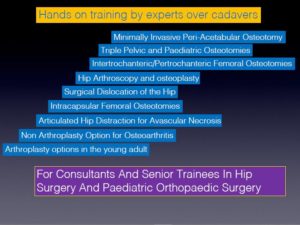
Osteotomies Around the Hip – Hands On Cadaver Course at Nova Medical School, Lisbon
Dear EHS Members,
This practical course covered femoral and pelvic osteotomies from childhood to adulthood and involved orthopaedic surgeons and paediatric orthopaedic surgeons.
Two days of sharing knowledge, tips and tricks and practical skills on hip preservation with 16 participants from Portugal, Switzerland, Italy and Poland, networking and visiting sunny Lisbon.
In the cadaver lab the participants had the opportunity to perform a surgical hip dislocation, a femoral intertrochanteric osteotomy and a periacetabular osteotomy. We also had a sawbones session where the participants could execute pelvic and femoral osteotomies on paediatric sawbones.
We would like to thank Nova University and Ahead for the organization, our faculty for the expertise shared and send a special thank you to the European Hip Society and the European Paediatric Orthopaedic Society for their support and acknowledgement.
The 2022 FORTE Summer School in Athens was a great success. Between July 25-29, 114 Orthopaedics and Trauma trainees from 15 different European countries met 50 internationally renowned orthopaedic surgeons from all around Europe in a very productive course, enjoying the Greek hospitality.
All topics of the European Orthopaedics and Traumatology Curriculum were covered. A basic Comprehensive Review Course (CRC) provided general topic reviews through expert lectures, covering the basic knowledge. Additionally, a more advanced Exam Preparation Course (EPC) tried to address the educational objectives of more advanced trainees; those that are preparing themselves for National or European Exams.
Most of the European Subspecialty Societies embraced this course, while prominent members of their leadership were invited to Athens as faculty. The Hip Sessions of the Summer School were lead by EHS Committee Members, inlcuding EHS President Elect Prof Eleftherios Tsiridis and EHS SciCom Members Prof Klaus-Peter Günther, Prof Theofilos Karachalios and Dr George Macheras. Congratulations to FORTE President and EHS Member Dr Panayiotis Megaloikonomos and to the FORTE Summer School Committee for the excellent organization of this course and thanks to EHS once again for patronage.
We had to wait three years to come face to face once again, but it felt like yesterday to see colleagues all together in the familiar congress centre in beautiful Lisboa. As always, EHS is thankful for the booth supplied by EFORT and to all who stopped by to touch base.
Our events during EFORT were well attended.
EHS Speciality Session: Friday 24th June @ 8-9 CET
Issues in Total Hip Revision Moderators: Prof Klaus Siebenrock & Prof Stanislav Bondarenko
Femoral revision with modular or non-modular stems Prof Klaus Günther
Extended trochanteric osteotomy for femoral revision Prof Theofilos Karachalios
When to use which augments in acetabular revision? Prof Maziar Mohaddes
Today’s role of impaction grafting in the acetabulum and femur Prof Wim Schreurs
Discussion
EHS Symposium: Friday 24th June @ 11-12 CET
Patient Expectations Following Primary THA – Cultural, Gender And Age Differences Moderator: Prof Nicolas Reina
Do I Change My Management Before And After Surgery According To My Patient’s Views? TBC
All Across Europe, Patients Cultural Impacts On THA Prof Eleftherios Tsiridis
Age And THA, Implants Matter? Mobility, Longevity And Stability Dr Jenaro Ángel Fernández-Valencia
From Patients’ Expectations To Personalized Care. Are Technical Aspects Relevant? Dr Charles Rivière
What We Learn About Our Patients With Data And PROMs Prof Nicolas Reina
Discussion
Plus of course the half day session on Advanced Concepts In Total Hip Replacement (Thursday 23rd June on @ 14:30-18:30).
The Jacques Duparc Award from EFORT includes a grant of €500 plus a certificate, and is selected from the 10 best-rated poster abstracts. Winner for the topic “Orthopaedics, Pelvis, Hip & Femur, Epidemiology, Prevention & Diagnosis” was awarded to two EHS Members from The Ottawa Hospital in Canada and their colleagues: Prof Paul Beaule and Dr George Grammatopoulos for:-
Also, the “Silver Orthopaedics Abstract” went to “Minimization Of Movement Restrictions After Total Hip Arthroplasty Does Not Increase Hip Dislocations. A Before-And-After Study With 10357 Patients” by EHS Member Rudolf Poolman and colleagues from OLVG, Amsterdam, The Netherlands in the topic “Orthopaedics, Pelvis, Hip & Femur, Joint Replacement – Primary”. Also, Eduardo Garcia-Rey of the EHS EduCom and a colleague were Awarded a “Special Mention” for his Poster on “The Cumulative risk of dislocation after Total Hip Arthroplasty: 2732 hips followed for a minimum of 5 years”. Congratulations to all.
We are delighted to report that the inaugural Global Experts Hip Symposium on Friday 27th May 2022, was a huge success. The organisers were EHS & Cleveland Clinic London, lead by Prof Eleftherios Tsiridis, Prof Howard Ware and Prof Alister Hart, and the whole event was perfectly coordinated by Mr Panagiotis Gikas.
Over 150 attendees of this fantastic one-day virtual conference were treated to 40 hip leaders from US, UK, Europe & Australasia giving in depth reviews and analyses of current concepts in primary and revision hip arthroplasty. The entire EHS Executive Committee took part, as well as EHS members: Dr Marco Ezechieli, Assistant Prof Stathis Kenanidis, Assoc Prof Mattia Loppini, Prof Sebastien Lustig, Dr Oliver Marin-Pena, Prof Javad Parvizi, Prof John Skinner, Prof Fritz Thorey and Prof Luigi Zagra.
Our statistics showed an average 5/5 star rating for the webinar and an 80% interest rate. Attendees came from far and wide, including Greece, Hong Kong, Brazil, Indonesia, India, Ukraine, Iraq and of course USA.
Attendees learned how to:-
Identify how orthopaedic services can improve their efficiency by focusing on sustainability & how this applies to orthopaedic pathways
Prepare orthopaedic consultants & senior trainees on the latest advances on robotic surgery, artificial intelligence & VR applications in the field of arthroplasty
Provide an update on the latest advancements in terms of diagnosing & managing periprosthetic joint infection
Provide an update on the surgical planning, approaches & implant choice of complex hip revision surgery with significant associated bone loss
Plus there was accreditation for all attendees from ACCME & ACPE to ANCC, AMA & CME.
Thank you to everyone who was involved and who joined the excellent meeting. We really look forward to updating you on the date of next year’s Global Experts Hip Symposium!
On May 21 at the Annual Meeting of the Bulgarian Orthopaedic and Trauma Association in Varna, we had an EFORT FORA with the contribution of the immediate EHS Past President, Dr Jean-Alain Epinette.
The faculty also included EHS Member Prof E Sariali from Paris and EHS members from Bulgaria Dr Jordan Valeshkov from the Medical University of Pleven and EHS National Representative for Bulgaria, Prof Plamen Kinov from Sofia.
The topic of the symposium was joint replacement in high developmental hip dysplasia and we presented cases and discussed in depth some very interesting treatment approaches. The highlight of the programme was the use of mini approach with custom made stem for treatment of complex hip cases, demonstrated by Prof Sariali.
As agreed by all participants, complex hip surgery needs extensive training and a devoted team approach.
At the event we had a closed meeting of the EHS members from Bulgaria. Dr Epinette talked about activities and initiatives of EHS and possibilities for joint initiatives were discussed. Orthowave joint registry was presented and the start of a pilot Bulgarian chapter was agreed. Five joint replacement centres were selected to participate in the new project. The aim is the future development of Bulgarian joint replacement register.
Prof Plamen Kinov EHS National Representative for Bulgaria EHS SciCom member
Dear Members of European Hip Society, dear friends,
During the III European Joint Meeting in Madrid, the EHS & SECCA (Sociedad Española de Cirugía de Cadera) organised a combined scientific session (EHS Co-Organised). It was the first face to face event after the pandemic. Speakers from both the European Hip Society (Fares Hadddad, UK Nat Rep; George Macheras, Greece Nat Rep; Luigi Zagra, SciCom Chairman), and the Spanish Hip Society (Ricardo Terré, President; Jorge Albareda, Vice-President; Fernando Marqués, ExCom; and Basilio de la Torre) presented and discussed different topics and clinical cases related to new technologies in total hip replacement. The meeting was a great success in terms of scientific content and friendship.
During the meeting we had the opportunity to discuss the current situation in Ukraine. As you know our Ukrainian colleagues have been supporting our society for many years and recently we rewarded them by electing Prof Stanislav Bodarenko as our EHS Secretary General. We also elected a member of the EduCom from Ukraine, Dr Olga Pidgaiska and have had two EHS Fellows in 2016 & 2017.
Prof George Macheras gave a short presentation during our meeting, showing previous moments of our visits to Kharkiv in 2019 and 2021, for the EHS-organised conference at the Sytenko Institute, as well as other visits related to Ukrainian hip surgeons. Ukraine was the 10th most popular attendee at our EHS Congress in Lille worldwide. All of us are very much shocked by the images from Ukraine and took a unanimous decision to send a letter calling for peace. We look forward to the end of this nightmare.
All the best,
Eduardo García-Rey, EHS EduCom and SECCA Secretary General
For more info on the EHS-organised Kharkiv course in October 2021, click HERE.
The MAST 8 (Masterclass in Arthroplasty Surgery Thessaloniki) “Ortho Olympics” was a great success and took place 17-19th December 2021.
During the 3-day EHS-organised conference, our 385 delegates gleaned expert opinions, solutions and advice on the latest arthroplasty surgery techniques in an amazing total of 88 stunning international presentations of data and videos from our top teams. 74 delegates were on site in person at our congress venue in Thessaloniki, while 311 joined us online from 27 countries: Albania, Argentina, Bulgaria, China, Cyprus, France, Germany, Greece, Hong Kong, India, Ireland, Israel, Italy, Japan, Kosovo, Kuwait, Latvia, Netherlands, Pakistan, Portugal, Russia, Slovenia, Spain, Turkey, UK, Ukraine and USA.
The inaugural Larry Dorr Gold Medal Award was presented to the best team, decided by the MAST 8 SciCom, and announced in the digital presence of Mrs Marilyn Dorr, Dr Dorr’s son and his esteemed colleague Dr Callaghan. The winners were the Mayo Clinic’s Prof Daniel Berry and Prof Matthew Abdel. Congratulations to them of course, but in the true spirit of the Olympics, congratulations also go to every team that took part. The quality of the data presentations and videos was excellent. World class. Thanks enormously to all our speakers, who are pictured below, along with the scientific programme. And thanks of course to all our delegates.
For more information, please visit the MAST website HERE.
Argentina Prof Martin Buttaro Thank you so much! Deeply honoured and grateful to participate.
France Prof Sébastien Lustig Congratulations again for having such a great event organized in a challenging time. Looking forward to our next collaboration in 2022. Prof Jean-Noël Argenson Congratulations for putting up such a great meeting and for including me.
Germany Marco Ezechieli Thank you very much for inviting me to the event! It was a very nice congress, well organized and a truly nice program! Fritz Thorey Thank you for inviting us to the wonderful meeting.
Hong Kong Prof Lewis PK Chan Thanks for inviting us to join the prestigious meeting. It is our great honour.
Portugal Prof Pedro Dantas It was a pleasure and honour to participate.
Russia Prof Rashid Tikhilov The main principle of the Olympic Games is not victory, but participation! Nice idea, perfect Participants, Thanks a lot! It was not an easy year due to the Covid and restrictions for travelling. We did not have a chance to see each other personally, face to face. Nevertheless we are still in touch and this is the main thing in my point of view.
Slovenia Prof Rihard Trebse You really did a great job… focused all the time, with well prepared questions for everybody, really perfect job. The event is becoming some sort of an upgraded European answer to Current Concepts. I liked the stage, too. Rene Mihalič Congrats on an incredible and professionally managed event. Again, I would like to thank you for the opportunity to be a part of such great names.
UK Dr Rima Nasser It was a pleasure, and I would like to thank you and the committee and of course Professor Cobb for this wonderful opportunity. It was a very interesting meeting and your organizing team did an excellent job.
Ukraine Dr Ahmed Badnaoui Thank you very much for the possibility to take part in such a high-level event.
USA Dr Adolph Lombardi It was a pleasure and an honour to participate. Thank you for inviting me. Prof William Jiranek It was wonderful to be involved. Dr Jeffrey Lange It was a pleasure and an honour to participate! It was a wonderful meeting, and looking forward to more in the future. Dr Antonia Chen We had a wonderful time participating – we only wish we could do it in person! Bravo for an incredibly well organized course. It’s a true feat to bring so many people together. Thank you for inviting us. Dr Benjamin Wooster Thank you for the invitation to speak at this prestigious conference. Mrs Marilyn Dorr The entire meeting and presentation were so special and meant a great deal to me.
Dear members and friends of the European Hip Society, On November 25th and 26th, 2021, the “XXV International Course of Osteoarticular Reconstructive Surgery – Hip Surgery” was held in Madrid – a great two-day scientific and educational event organized by The Hip Unit of Hospital La Paz (Madrid – Spain) in cooperation and with the support of the European Hip Society (EHS). Many thanks to everyone who took part.
The course was organized and co-directed by Dr Gil Garay (The Head of Department of Orthopaedics and Traumatology) and Dr Ana Cruz Pardos (The Chief of The Hip Unit) and was divided into several round tables whereby numerous topics were discussed:
Approaches
Morbi-mortality of THA
Registry Data
Friction couples in THA
Cemented THA in young patients
Results of primary THA in complex cases
Acetabular and femoral revision surgery
Complications in THA: instability, dislocation, infection and periprosthetic fractures.
Similarly, debates relating to specific hip pathologies were made possible thanks to three clinical case round tables.
There were 120 delegates and 20 faculty members. Thanks to the patronage of the EHS we were able to count on the excellent participation of Prof TheofilosKarachialos (Greece), co-editor of Hip International and Dr Maziar Mohaddes (Sweden); as well as other esteemed EHS members such as Dr Wim Rijnen (The Netherlands), Prof José Cordero Eduardo (Spain), Dr García-Rey (Spain), Dr Jenaro Fernández-Valencia (Spain); Dr Thorsten Gehrke (Germany); the EHS International Member Prof Martín Buttaro from Argentina and the EHS Emeritus Member Dr Eduardo García-Cimbrelo (Spain).
Due to the ongoing Covid-19 pandemic, Dr Martin Buttaro and Dr Wim Rijnen participated via online connection to participate in the various round tables.
Likewise, other important European hip surgeons kindly participated: Prof Bizot (Hopital Lariboisiere, France), Dr Jonathan Howell (Princess Elizabeth Hospital, Exeter, UK), Dr Laurent Jacquot (Clinique D´Argonay, France) and Prof Lee Jeys (The Royal Orthopaedic Hospital NHS Trust, UK).
The scientific sessions were presented in Spanish but with simultaneous translation into English which allowed non-Spanish delegates to participate in the course.
We enjoyed two days of excellent presentations and very engaging discussions where we exchanged our knowledge, shared our ideas and clinical experiences on the basics, as well as the current and future practice of our surgical specialty.
Once again, I would like to thank the EHS for its patronage of this Course; a society that continues to be a firm reference in the field of hip surgery. I am proud to be its member.
Many thanks once again. We hope to count on you in future editions.
Best regards,
Dr Ana Cruz Pardos
The Chief of The Hip Unit
Hospital La Paz, Madrid (Spain)
Member of the European Hip Society Read reports from recent hip courses
Dear members and friends of the European Hip Society, Dear colleagues and guests,
It was an honour and a great pleasure to welcome each of you a few weeks ago in this beautiful city of Lille, to share together this 14th congress of our European Hip Society .
Despite all the pitfalls that arose on the road, between health problems, travel restrictions, and some unforeseen local uncertainties, we were able to meet for this 14th congress which almost never saw the light of day! … Without a doubt, this Lille Congress will pave the way for other EHS congresses in the future, keeping this hybrid model which has the double advantage of this conviviality necessary for the life of our community, with a large audience, wider in Europe and beyond… We are proud to be able to say that despite all these waves of Covid, the EHS boat is indeed afloat!
There were 581 delegates, 65% of whom met “face-to-face” at Lille Grand Palais during the two days of the event. The participants connected to the digital platform were also able to appreciate the 14 symposia, and some 400 oral communications, as well as the 200 e-posters. The various scientific sessions were presented by more than 260 speakers, including 135 “remotely”. Nearly 130 pre-registrations were organized ahead of the event and made available on the platform. The partnership with Industry also brought together 28 exhibitors and the setting up of 6 complementary conferences. One of the major advantages of this hybrid format is to be able to access the entire scientific program in “replay” during the two months post-congress, with 489 connections recorded after the first 3 weeks.
The complete statistics of the satisfaction rates will be published soon in full via the EHS site, but according to the first returns on October 1, of the first 82 responses, the satisfaction index concerning the scientific content was very favourable at 91% of which 54 were graded as “excellent” and 37% “proficient” … We are happy on that matter to thanks Hip Toulouse, whose scientific activities are unanimously recognized, as well as Canada as our guest nation … These partnerships perfectly illustrate this word “together”, linking our European Society to other brilliant Orthopaedic Societies, whose activities are invaluable, and perfectly complementary to us.
Our gala dinner, at the fabulous Hermitage Gantois, was a precious moment of conviviality and exchanges of professional and personal friendship, not forgetting to mention the exceptional performance of our lyrical singer, soprano Heather Newhouse.
This EHS congress is the 14th and throughout these years of existence, for almost 30 years, we have been able to exchange our knowledge, share our ideas and our clinical experiences on the basic, the current, and the future of our surgical specialty… Our European Society has become an indisputable reference in Europe and beyond, in the field of hip surgery, within all other Orthopaedic Societies. It has been a pride for us to get this opportunity to carry again as high as possible this proud motto which is that of our European Hip Society: “bringing orthopaedic hip surgeons together”.
See you in 2023 at the next 15th Congress in Bern, and in the meantime, we wish you the best in your personal and professional activities!
Jean-Alain Epinette MD EHS Lille 2021 PresidentRemember our 13th EHS Congress 2018 in The Hauge?
A great two-day scientific and educational event organized by Sytenko Institute of Spine & Joint Pathology, National Academy of Medical Sciences of Ukraine, the Ukrainian Association of Orthopaedic Surgeons in cooperation with the European Hip Society (EHS) and with the support of The European Federation of National Associations of Orthopaedics and Traumatology (EFORT). Thanks to everyone who took part.
180 orthopaedic surgeon delegates joined together in Kharkiv, Ukraine, for the 2nd International Conference “Advanced Treatment of Hip, Knee & Shoulder Pathology” with 38 high-profile Ukrainian and international experts, who lead symposia and sessions on innovative approaches to treating major joint pathologies – from reconstructive surgery to revision arthroplasty, discussions of complex cases associated with complications of total joint replacement, diagnosis and treatment options for periprosthetic joint infection, including shoulder joint pathologies, plus practical workshops.
For the first time in Ukraine, the AO Foundation (Switzerland), under the AO PEER (Program for Education and Excellence in Research) – a programme for training and upgrading in research – ran a theoretical online course Principles of Clinical Research aimed at comprehensive teaching of research methods in the medical field, in particular in orthopaedics and traumatology. The training covered all components of the research – from developing the idea to publication of the results. The knowledge gained will enable the preparation of articles for publication in accordance with the requirements of evidence-based medicine in the journals included in Scopus and Web of Science scientific databases.
Congratulations to Dr Ahmen Amine Badnaoui, winner of the Best Paper Award for Young Scientists was EHS Young Member Ahmed. His prize is a Fellowship to Lille, in France, to be organised by EHS Past President Dr Jean-Alain Epinette.
Thanks to all who came to Kharkiv, the beautiful and hospitable city in Ukraine, to make this event such a great success.
The e-Conference was launched with an excellent introduction by the EHS President, Dr Jean Alain Epinette, who praised the long standing success of the MAST Course and the collaboration with EHS, which has been successful for the last 7 years. The MAST President and Host, Prof Eleftherios Tsiridis, introduced the 3-day programme and satellite lectures, and described the new concept of the virtual studio, introducing the co-anchor man, Prof Theofilos Karachalios.
The first satellite lecture was given by Dr Christof Berberich, a very interesting approach regarding the antibiotic protection against the periprosthetic joint infection. Dr Berberich with a long standing experience as a microbiologist, supported the view that antibiotic impregnated cement can protect against infection in a primary or a revision setting.
The highlight of the day was the subsequent satellite symposium on TKA new designs and bearing surfaces in relation to ROSA Robotics. Prof Tsiridis introduced the current concept of soft tissue balancing and stability, as well as the newer concept of kinematic alignment. Thereafter, Prof Francesco Binazzo introduced the Persona® Knee tibial plateau and bearing design, as well as the function of ROSA® Robotic Arm, with an amazing video presentation of the whole technique. Thereafter Professors Tsiridis and Benazzo had an interactive discussion deploying the forthcoming advantages of robotic surgery and their vision to expand the use of robotics in arthroplasty surgery.
The programme continued with 3 distinguished lectures and case presentations by Professor Panagiotis Megas, presenting the reconstruction of acetabular defects using tantalum augments and bone graft, Prof George Babis presented a wonderful video of a high DDH THA with shortening osteotomy and Dr Vasilios Bitounis presented a post traumatic complex TKA needing re-revision.
The programme continued with an excellent key note presentation by Prof Konstantinos Malizos regarding the diagnosis and management of infected versus non infected hip revisions with particular interest in Alval mimicking infection.
The programme continues with the USA perspectives. Prof Javad Parvizi and Dr Maxwell Courtney gave us the current perspectives on diagnosis and management of periprosthetic joint infection. They presented the next generation sequencing technique and they discussed briefly the one versus two stage revision.
Prof Craig Della Valle gave us a wonderful presentation of his published algorithm for the management of the unstable hip. He presented the 5 different classes of instability and revisited the constrained liners, comparing them with dual mobility sockets.
Prof Antonia Chen from Harvard gave us a thorough review on robotic technology in total joint arthroplasty. She has published extensively on this field and gave us a balanced overview of the promising early results versus steep learning curve, high cost and big footprint of the existing systems.
Prof Ran Schwarzkopf – after he received Prof Tsiridis’ congratulations for his very recent promotion to the professorial rank at NYU – presented a very thorough comparison between the mini anterior and the mini posterior approach for the hip. He told us that there is some recent concern about certain complications related to the anterior approach and concluded that there is no difference in the outcome between the two. He presented his personal approach to this issue, saying that he prefers the mini posterior approach in his practice, as this can be used for any patient, any implant, any deformity, it is extensile for revision and has a very low learning curve.
Saturday 12th December
The congress started early in the morning with Prof Theofilos Karachalios presenting his approach on acetabular reconstruction in congenital hip disease treated with THA, followed by Dr George Macheras who presented his significant experience in femoral reconstruction and shortening osteotomies for DDH.
The time in California was 22:30 when we had the honour to have Prof Stuart Goodman from Stanford giving his keynote presentation on juvenile idiopathic arthritis and revision joint arthroplasty. He told us that he now prefers uncemented implants, whereas in the past he was treating these patients with cemented implants. He gave us an overview of complexities during the revision of these cases and presented a selection of his experiences, some of which are at some stage non reconstructable. His presentation was received with great enthusiasm from the audience, as this cohort remains very challenging for all of us.
Following this presentation, the European perspective group started on time. Prof Jean-Noël Argenson gave us a thorough overview between single versus two stage revision for infected TKA. He supported the one stage with specific protocols and he stressed the need for a multidisciplinary approach when dealing with these complex cases.
The President of EFORT, Prof Klaus Peter Gunther, presented an amazing overview of his experience on pelvic discontinuity and the treatment options. He told us that cage alone is not enough. He presented his technique using augment and cage, and he told us that acute discontinuity can be plated, while chronic is a different animal, and the cap-cage technique is best.
The EHS President, Dr Jean Alain Epinette, presented his huge experience on dual mobility from the last 20 years, especially for young individuals, and he presented the amazing cohort from the Orthowave and international arthroplasty registry he founded many years ago, that holds thousands of arthroplasty data. He told us that dual mobility is here to stay and it is an amazing solution not only for specific cases, but also for the highly demanding young patients.
Prof Wim Schreurs from Nijmegen in The Netherlands – the famous impaction grafting centre of excellence – presented his vast experience in this kind of surgery with amazing radiographs and follow-up of 25 years demonstrating complete bone reconstruction both in acetabular and femur. Prof Schreurs now leads the Dutch arthroplasty registry was in the position to tell us that impaction grafting is demanding, however, it is the best solution for the young.
Dr Oliver Marin-Peña presented arthroplasty registry data for the bearing couple in young THA patients. He told us that MoM has specific indications nowadays, CoC can be demanding and CoP is probably the best in the current literature.
Prof Justin Cobb from Imperial College London, with a vast experience in new technologies, robotics, resurfacing and uni-compartmental TKA from the MSK laboratory he runs, presented his new philosophy for TKA called “Compartmental Approach”. His vision is revolutionary and his promise for the future is very exciting.
Prof Sebastien Lustig from Lyon gave us his amazing paper on why revision TKA fails. The main reason he found in his enormous cohort of patients was infection, followed by loosening of the implants. He described a two stage revision technique and presented some amazing examples of the cases he has operated on recently.
The session ended with Dr Charles Riviere presenting the new concept of kinematic alignment in TKA. The new philosophy using the primary and the secondary femoral axis of a single cylinder crossing along the posterior femoral condyles and the acceptance of varos tibil cut and vulgas femoral cut to mimic their “physiological” knee joint.
Sunday 13th December
A full day of amazing surgical case presentations with live video surgery from the whole Hellenic faculty. Prof Panayiotis Papagelopoulos presented an amazing reconstruction using 3D printed prosthesis. Prof Karachalios presented his philosophy in individualised TKA. Dr Efstathios Kenanidis gave us 4 video surgeries of impressive re-revisions for failed TKAs and THAs, with a lot of surgical tips and tricks to approach and reconstruct the joints. Dr George Macheras gave an overview of treatment for periprosthetic femoral fractures in 2020. Prof George Drosos presented an infected periprosthetic femoral fracture that was treated with a 2-stage revision. Dr Lazaros Poultsides gave us an example of conversion arthrodesis to THA via an anterior approach. Prof Tsiridis presented several videos of complex hip and revision cases treated with custom made or modular revision implants, including the combination of partial bone replacement using tumour prosthesis.
Congratulations on the high level provided by MAST 7
Prof Stanislav Bondarenko, EHS Nat Rep for Ukraine
A fantastic conference
Prof Antonia Chen, USA
The program was excellent and I must congratulate you for bringing together so many speakers from US and Europe – I learned a lot.
Klaus-Peter Gunther, President of EFORT
It was an excellent virtual meeting
Prof Theofilos Karachalios, EHS SciCom, Hellas
It was my pleasure to participate in your fantastic meeting that it is actually a “must” in the hip meetings calendar… Congrats for such a great success!!
Dr Oliver Marin-Pena, EHS Ambassador, Spain
MAST 7 was an excellent course, with such a great amount of outstanding orthopaedic surgeons and a high level of presentations and performed studies. The course was technically very well-organized: it was possible to see the moderators and presenting author and slides. It was one of the best virtually organized events. Many thanks for such awesome course
Prof Olga Pidgaiska, EHS Ambassador, Ukraine
MAST 7 was a great e-Conference. You guys did a great job!
Please click the video link HERE to replay the course from the live webinar which took place on Saturday 28th November 2020 organised by SICOT PIONEER and EHS
The Hip Symposium Bern is organized every two years by Prof Klaus Siebenrock, EHS President Elect, and co-organized with the EHS. It took place from February 27 – 29, 2020. Despite the upcoming Corona crisis worldwide we were more than happy to have reached the highest number of registrations for the Symposium ever (267 participants). Due to increasing national restrictions not all registered doctors finally could make it to Bern. Lucky enough the Symposium just ended two days before the official shutdown for scientific meetings in Switzerland. Faculty and participants all could safely travel back to their homes.
There was a most highly ranked international faculty of 30 dedicated specialists. New insights were gained about hip instability, hip dysplasia and surgical techniques and results for hip joint preservation. The guest of honor was Michael B. Millis from Harvard University in Boston, USA. Professor M. Millis is one of the most outstanding experts worldwide in the field of hip joint surgery. He summarized his life-time experience in his lecture: “Hipology 2020: Science, Philosophy and Craft”. The Symposium included one live surgery from Bern (reversed periacetabular osteotomy). A video commented surgery (anterior THA in DDH) transmitted from the Rothman Institute (Philadelphia, USA) was commented by J. Parvizi.
Further highlights were future guided presentations addressing the questions whether we can create living joints and how digital tools may influence hip surgery tomorrow. The Symposium was rounded up by experts’ presentations in two sessions about challenges in hip joint reconstruction in the adolescent and young adult. Lively and controversial case discussions among the faculty members were well received by the audience.
All presentations were video-recorded and can be followed on our website. In addition, videos from the live surgery and case discussions are present on the website. You are also welcome to watch media impressions from the meeting and social event.
See website www.hip-symposium-bern.ch or facebook @HipSymposiumBern
Prof Martin Thaler (EHS Treasurer) & Prof Michael Nogler (EHS EduCom), course organisers
The 2nd Annual European Direct Anterior Approach THA Course took place in Innsbruck from 29 January- 1 February 2020. An international well-known faculty of opinion-leaders and masterminds in the direct anterior approach from Europe and the US promoted the highest standards of orthopaedic practice by educating practitioners, supporting research, and by encouraging communication between the faculty and community-based surgeons. Among others the faculty consisted of pioneers of the direct anterior approach like Michael Nogler, Joel Matta and Frederic Laude and the new generation of direct anterior approach surgeons like Cristoff Korten, Martin Thaler and Boris Holzapfel.
The conference brought together 74 surgeons from 18 countries from all over the world. The three-day meeting included presentations and discussions around the surgical and patient processes associated with the direct anterior hip approach, from patient selection through patient recovery and follow-up.
Design rationales, specialized instrument tables and surgical tables have been compared and evaluated. Patient selection criteria have been discussed for both primary and revision surgery including identification of contraindications as well as perioperative treatment and clinical outcomes.
The program was rounded off by two live surgery transmissions and a hands-on cadaver workshop with strong interaction with the expert faculty. Most European and US faculty members are members of the EHS. The meeting was organized in cooperation with the EHS and the course fee was reduced for members of the EHS.
In accordance with the EHS’s mission to provide the best scientific knowledge to orthopaedic surgeons throughout Europe, the EHS is cooperating in more and more national orthopaedic meetings and courses.
On 24th January 2020, EHS cooperated with the Spanish Hip Society (SECCA) for a specialist meeting in Madrid.
The theme was to penetrate deeply in to three specific topics:-
Various bearings
Complex THAs
Methods for dealing with major bone defects in Acetabular revision
The meeting was a success with many intense and dedicated discussions. The hospitality was also great.
These kind of short meetings, attended by dedicated specialists, penetrating deep in to some single subjects, is a most needed link for hip surgeons and a concept that should be repeated in the future.
Nobody could say it wasn’t intense. But it was, after all, a Masterclass, and if you were not passionate about Advanced Arthroplasty Surgery, you wouldn’t have been there. The world experts were firing out talks on current concepts one after the other in Thessaloniki, Greece, at the EHS-organised meeting. High praise all around for this excellent non-stop meeting organised by Prof Eleftherios Tsiridis and Dr Jean-Alain Epinette, Secretary General and President of EHS respectively, and their teams.
With over 300 delegates, and more than 100 presentations by 46 distinguished national and international experts, this EFORT-supported course enjoyed great success and is now in its 6th year.
From 6th – 8th December, many EHS faces gathered in Thessaloniki. Prof Kjærsgaard-Andersen (EHS Ambassador and Past President of EFORT) gave a key note speech on, “The Dilemma when THA is the only option left in the adolescent, young patient” and Prof George Bentley on, “The Quest for Prevention and Cure for Osteoarthritis of the Knee and Hip”.
EHS Past Presidents Dr Macheras (2010), Prof Tokgözoĝlu (2006) and Prof Ullmark (2014) were there, as well as EHS EduCom member Prof Atilla and EHS Ambassador Prof Mohaddes, not to mention EHS Nat Rep for Ukraine, Prof Bondarenko.
Most presentations were video-based, the primary aim being to technically educate Orthopaedic Specialists with an interest in joint arthroplasty and revision.
State-of-the-art lectures, video demonstrations and hands-on workshops were all delivered by world-class faculty. The intimate meeting size of the workshops allowed everyone to network with faculty and exchange opinions and experiences, as well as try out the Virtual Reality Training Platform.
As always, EHS had a booth at the EFORT annual congress, this year the 20th, which took place in Lisboa.
Thanks to all who attended the EHS Specialty Session on Innovations, New Trends & Outcomes in Hip Arthroplasty, and those who came upstairs to find the EHS booth and say hello.
The congress was a great success with attendance up a little but on last year, just shy of 6,000 participants from around the world.14th EHS Congress October 2021 in Lille 10-11th September 2021
Immediate Past President of EHS, Prof Werner Siebert (pictured below), is President of DGOOC and with colleagues Professor Windolf (President of DGU) and Dr Rauch (President of BVOU) is organising DKOU 2018.
is the congress motto of the German Congress of Orthopaedics and Traumatology 2018.
Regardless of whether in the hospital, doctor’s in surgery, in the operating theatre, in the research laboratory, in the rehab clinic or in the emergency medical service: Orthopaedics and Traumatology stands for professional treatment of injuries and ailments of the locomotor system. This year’s congress motto We are O&Taddresses the variety and the wide range of our shared field. No other congress in Europe offers a larger platform for professional, collegial and academic exchange than the DKOU 2018.
10 years after the foundation of the German Society for Orthopaedics and Trauma (DGOU), the congress is the signature feature of the successful growing together of Orthopaedics and Traumatology in Germany. Outstanding examples for the efficiency of our work are the nation-wide Trauma Network and the endoprosthesis index that could be realised thanks to the extraordinary dedication of many individuals and the relentless work of our expert associations.
A current challenge is the digitalisation in O&T. Smart implants, wearables and big data applications have the potential to revolutionise our therapeutic options and are a major chance for the future. The downsides are the risks of a digital process optimisation and economisation, especially for the protection of the personal patient data entrusted to us. Here, all of us are required in order to shape this dynamic development.
A significant threat to patient safety are implant associated infections. They result in severe complications and are increasingly caused by multiresistent germs. Due to the high clinical relevance, we will take up this difficulty as a main topic. We will discuss both measures for improved prevention as well as solution strategies for the therapy of manifest infection.
The aspiration of the German Congress of Orthopaedics and Traumatology was a high contentual quality both with regard to the broadness of the field and with regard to the differentiation of the subspecialties. Sections and cooperating expert associations are noticeably integrated in the congress programme. For the representatives, this means that there is sufficient space for the presentation and discussion of the latest results in the different fields, be it in spine, hand and wrist, arthroscopic surgery or in sports medicine and rehabilitation. The participation of our guest nation, Great Britain, in the individual main topic sessions allows for border-crossing scientific and professional exchange which all participants will surely benefit from.
We invite you to participate in the German Congress of Orthopaedics and Traumatology 2018 with great pleasure.
Come to Berlin, join the discussion, co-create our field actively. Only together we can say: We are O&T!
We are pleased to announce the 37th Annual Meeting of the European Bone and Joint Infection Society which will take place in Helsinki, Finland, 6-8 September 2018.
The programme will cover the topics:
Traumatology – treatment of bone infection in tibia, pelvis, ankle and calcaneus
Plastic Surgery – role of flap reconstruction in bone and joint infections, reconstruction of tissue defects after prosthetic joint infection of the knee
Biomaterials – role of bone substitutes in the treatment of infected bone
Important dates
Abstract submission deadline: 20 April 2018
Early registration deadline: 29 June 2018
The registration and abstract submission is OPEN!
Find more information on the conference website: www.ebjis2018.org.
We hope the scientific programme will be of value to increase your knowledge, improve your future clinical work and build your friendships in the Society.
We look forward to welcoming you to Helsinki.
On behalf of the local organising committee and EBJIS board,
Nina Lindfors, Local chair
and Martin McNally, President of EBJIS
The Annual Meeting of the American Association of Hip and Knee Surgeons addresses a broad array of scientific topics such as implant design, outcomes, surgical techniques and complications of primary and revision total joint arthroplasty (TJA) for hip and knee surgeons. The meeting addresses the latest socioeconomic issues in health care. Special courses are also offered for residents, non-physician team members and hospital administrators. Held in Dallas in November each year, the Annual Meeting attracts more than 2,000 attendees.
The Guest Society Program
AAHKS is committed to increasing the presence of international societies, their scientific research, and their members at our Annual Meeting to ensure we bring international perspectives and expertise to our members. At our 2015 Annual Meeting, we started the 1st Annual Guest Society Program, where we invited arthroplasty societies from across the globe to partner with AAHKS and attend our Annual Meeting.
We look forward to future Guest Societies joining our program each year to expand the reach of arthroplasty research and exchanges internationally to the mutual benefit of all organizations involved.
The Guest Society Fellow from EHS will be Eduardo Garcia-Cimbrelo from Spain. Read more here. We look forward to Dr Garcia-Cimbrelo’s report later int he year to be published in our EHS Newsletter.
EHS members attending the Meeting in Dallas will receive AAHKS member registration rates, along with free international membership for the remainder of the calendar year.
EHS is a co-host of the annual AAHKS International Reception (open to all AAHKS international members) on Thursday, November 2, 2017.
Abstract submission is OPEN for next year’s 2nd World Arthroplasty Congress (19th-21st April 2018) in Rome, which takes place in collaboration with EHS, EKS & ICJR.
Programme vice-chairman for Hip is Prof Luigi Zagra, (pictured here, SciCom Chairman of EHS), and course director from France is Prof Jean-Noël Argenson (EHS Member).
Click here for the PDF of the promotional flyer: WAC_2018
Our inaugural World Arthroplasty Congress held in Paris in 2015 was a great success with over
1,200 attendees representing over 68 countries throughout Africa, Asia, Europe, Middle East,
North America, Oceania, Russia and South America.
The second World Arthroplasty Congress in Rome will feature a 3-day interactive agenda with
international faculty and including podium and ePoster presentations from abstract submissions.
Motion is Life is the congress theme of the German Congress of Orthopedic and Trauma Surgery 2017. Motion is a fundamental condition for our health – beginning with the various processes occurring every second in our body and finally resulting in the movement of our extremities. The loss of motion leads to functional deficits, to the loss of mobility and to a serious restriction of the quality of life. Keeping our motion and regaining lost motion is therefore one of the key goals of orthopedic and trauma surgery.
Sports and Motion have manifested themselves in our society as important topics for many years now. Many of us are exercising sport to keep fit and for having fun; many elderly people want to keep up with the younger generation. Topics such as popular and professional sports with their potential risks, the treatment of sport injuries, but also their prevention are essential contents of the congress of orthopedic and trauma surgery…
Dear members and friends of the European Hip Society, Dear colleagues and guests,
It was a great honour to organize the meeting this year in The Hague, The Netherlands. The event was a great success with over 750 orthopaedic surgeons participating coming literally from all over the world. Also more than 180 Dutch participants were registered and this makes me really proud. A report will appear here soon, with a welcome from the new President, Dr Jean-Alain Epinette of France, who will organize our 14th EHS Congress in Lille, France, on 1st & 2nd October 2020.
During my Presidency, which finished on Friday 21 September at our Congress in The Hague, I continued the focus of our Society to enlarge our influence on hip joint care around Europe. Also, as a Society, we found methods to bind our younger colleagues from the so called e-generation with an interest in hip surgery to our Society.
In the Netherlands, I am active in several committees and have been Chairman of the Scientific Committee of the Dutch Orthopedic Association, member of several steering groups of that society around the hip joint, and contributed to the National Dutch guide line on total hip prosthesis. I am also the Chairman of the Scientific Committee of the Dutch Arthroplasty Registry. Now, also, I can call myself Past President of EHS 2016-2018.
A cordial greeting from the Netherlands and many thanks to all.
Yours sincerely,
Dr. B. Willem Schreurs
EHS Past President (2018–2020)
Congress photographs are copyright to Intercongress GmbH / Tobias Tanzyna
To read about our congress in Munich in 2016, click here
The objective of the Transatlantic Current Concepts in Hip and Knee Arthroplasty Congress in collaboration with the Dutch Hip Society and Dutch Knee Society is to equip orthopaedic surgeons and collaborating providers, institutions, manufacturers, payers and patients with the knowledge they need to ensure best practices in hip and knee arthroplasty now and in the future. The ultimate goal is to ensure safety and quality for patients.
EHS President Prof Wim Schreurs is a member of the faculty.
The Hospital da Luz Learning Health will host the 3rd edition of the Lisbon International Hip Symposium on November 16 and 17, 2017, at the Hospital da Luz auditorium.
This event is a statement of our commitment to deliver excellence and innovation through the integration of patient care, research and advanced clinical education.
Theory and practices Stockholm April 11-13 2018
In cooperation with European Hip Society
About The Course
The Stockholm International Hip Revision Course is an established hip course.
From 2018 the course is held in cooperation with Link Sweden AB and European Hip Society in accordance with the European Curriculum for Orthopedics and Traumatology and EFORT Educational Platform.
Responsibility for the course is held by Lars Weidenhielm, Per Wretenberg and Gösta Ullmark.
Topics include:
Anatomy and surgical approaches.
Painful THA, shall we revise?
Revision methods, cemented, uncemented, Impaction Bone Grafting. Mega prostheses.
Dislocation. Prevention and surgical options for revision.
Periprosthetic fractures. Osteosynthesis or/and prosthetic revision?
Infections. How to avoid, to diagnose and to treat them.
Case discussions.
Workshops: distal anchoring stems, extended trochanteric osteotomy and Impaction Bone Grafting in Femur and Acetabulum. Who Should Attend? Orthopedic surgeons to assess current practice and knowledge of avoiding THA complications and gain insight in revision options of failed THA´s. Specialist Hip Surgeons who want to update knowledge in revision hip surgery. Specialist registrars who wish to gain further knowledge in prevention and treatment of painful or failed THA.
Obligatory task for each attendee
Prepare as PPT one case for presentation during the course.
(Obligatory for course certificate). Venue Facilities
The course is held at the Hotel C Stockholm. It is a Congress hotel in the very centre of Stockholm, located in the main business and shopping area. The hotel is located 50 meter walking distance from Stockholm central station. Shuttle train from Stockholm Arlanda airport takes 20 minutes to Stockholm central station.
Both the course and the dinners will take place in the Hotel, providing the perfect opportunity to network. Click here for course home page and application Day one – Wednesday April 11
(Coffee & sandwich for morning arrivals)
10.00-10.15 Introduction Per Wretenberg.
10.15-10.30 Reasons for revision Per Wretenberg.
10.30-10.55 Hip pain – what to operate and not Theofilos Karachalios.
10:55-11:15 Future reasons for revision Theofilos Karachalios.
11.15-11.45 Preoperative analysis and approaches Lars Weidenhielm.
11.50-12.30 Extraction of cement and components Per Wretenberg.
12.30-13.15 Lunch
13.15-14.15 Distal anchoring prostheses Rudiger Weiss.
14.15-17.00 Workshop; distal anchoring stems and extended trochanteric osteotomy.
17.00-18.30 Case presentations and Discussion
19.00 Dinner for all attendees and faculty. Day two- Thursday April 12
08.00-08.45 Cemented revision, any indication? Per Wretenberg.
08.45-09.30 Uncemented stem, advantages and disadvantages
using various models. Rudiger Weis.
09.30-10.15 Uncemented cup, which one is best? Harald Brismar.
10.15-10-45 Coffee
11.45-12.30 Infection, how to deal with our greatest threat?
Prevention, diagnosis and treatment options. Bo Söderqvist.
12.30-13.15 Lunch
13.15-14.45 Which revision method is best? Results from registers. Geir Hallan.
13.45-14.05 Impaction Bone Grafting. Graft stability,
repair of major cortical defects, healing mechanism.
Clinical, histological and PET results of IBG. Gösta Ullmark.
14.05-14.20 Bone graft as antibiotic carrier in infected revisions. Gösta Ullmark.
14.20-14.40 Video. Graft preparation and IBG method in Acetabulum and Femur
14.20-16.00 Workshop IBG in plastic bone. Faculty.
16.30-18.30 Case presentations and Discussion Faculty.
19.30 Dinner for all attendees and faculty. Day three- Friday April 13
08.00-08.30 Dislocated THA How to prevent, and successfully treat. Gösta Ullmark.
08.30-09.00 Periprosthetic fracture an increasing problem. Which are the risk factors for receiving a fracture? When is osteosynthesis enough and when is revision required? Per Wretenberg
09.00-09.45 Coffee
09.45-10.15 Salvage prostheses (tumor model). Otte Brosjö
10.15-10.45 Why shit happens? Historical orthopedic disasters, will we repeat them? Richard Wallensten
10.45-11.15 Gould standards of revision methods, conclusions. Faculty
11.15 Grab & Go (Sandwich meal)
18TH ANNUAL ISK SPORTS MEDICINE AND TOTAL KNEE & HIP COURSE
This course is designed to meet the needs of orthopaedic surgeons, allied healthcare professionals, fellows, residents, and mid-level providers whose scope of practice includes sports medicine and hip and knee arthroplasty.
Course Chairmen
Prof Jean Noël Argenson, EHS member from France, and W Norman Scott, NY
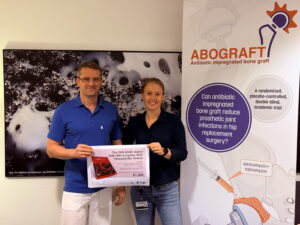
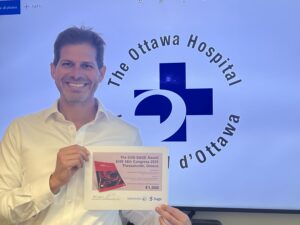
 We were lucky enough to visit the beautiful, historic city of Lyon for 26th EFORT Congress in June 2025.
 Hamburg was home to the 25th EFORT Congress in May 2024. Thanks to all who attended our excellent EHS event on Thursday 23rd May:-
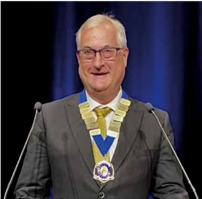 As the immediate Past President of the European Hip Society, I was more than happy to promote and to host the 15th Congress of the European Hip Society in Bern, Switzerland! The event attracted 550 international participants and over 170 Industry partners, and took place from 12-13th October 2023. Burning issues, newest developments as well as standards of modern hip surgery were presented and discussed by international experts, industry partners and you all. The congress took place at the wonderful Kursaal venue overlooking the old city of Bern and with a splendid mountain view provided there are good weather conditions.
 The Hip Symposium Bern successfully attracted a new record of close to 300 participants this year! The meeting was co-organized by the EHS with significant scientific contributions from EHS faculty.
 The Vienna vibe was great weather and smiling faces for the 24th EFORT Congress in May 2023, as well as great science, of course.
 We had to wait three years to come face to face once again, but it felt like yesterday to see colleagues all together in the familiar congress centre in beautiful Lisboa. As always, EHS is thankful for the booth supplied by EFORT and to all who stopped by to touch base.
 Dear members and friends of the European Hip Society,